
Muscle pain, tightness, and limited mobility can make everyday activities more difficult. Whether you’re dealing with chronic muscle tension, recovering from an injury, or experiencing discomfort from repetitive movements, finding an effective treatment can help improve your quality of life.
Dry needling is one technique that physical therapists and chiropractors use to address muscle pain and movement restrictions. Below, we’ll discuss how it works and some of the benefits, so you can decide whether you want to explore this treatment option.
What Is Dry Needling?
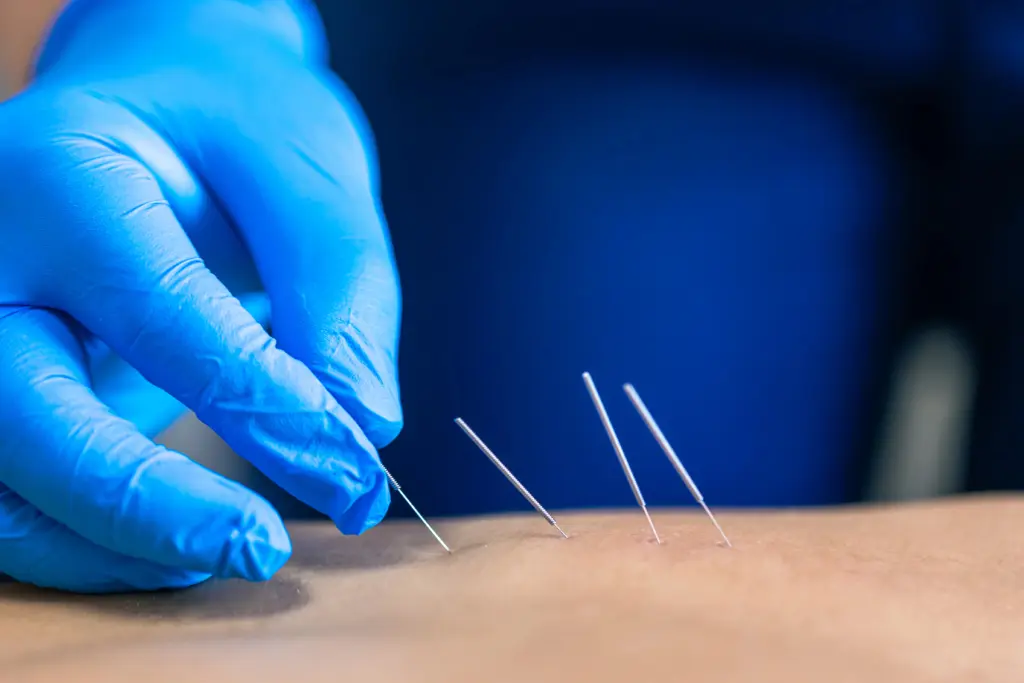
Dry needling is a treatment that involves inserting thin, sterile needles into specific areas of muscle tissue, often targeting sensitive points known as trigger points. These points are knotted, tender areas that develop in your muscles and cause localized pain, muscle tenderness, and discomfort in other areas of the body.
Unlike acupuncture, which has roots in traditional Chinese medicine, dry needling is commonly used within a modern musculoskeletal treatment approach. Practioners use their knowledge of anatomy and muscle function to identify potential treatment areas based on a patient’s symptoms and physical evaluation.
Dry needling may be incorporated into a broader treatment plan that includes therapeutic exercises, stretching, manual therapy, and other rehabilitation techniques.
1. Helps Reduce Muscle Pain
One of the primary benefits of dry needling is pain management. Tight or irritated muscles can make it difficult to work, exercise, and complete daily activities.
Dry needling may help reduce pain by causing a local twitch response that resets muscle tone, breaks the pain-spasm cycle, and relaxes tight bands of tissue. Some patients experience relief shortly after treatment, while others notice gradual improvements over multiple sessions.
Results can vary depending on the underlying cause of the individual’s discomfort, the area being treated, and their response to the treatment. Dry needling is not a guaranteed solution, but it may be a helpful part of treating musculoskeletal conditions.

2. May Improve Range of Motion and Flexibility
Muscle tightness can limit how comfortably you can move your neck, shoulders, back, hips, or other parts of your body. These restrictions may make it hard to move your head, reach up, bend, or exercise.
By addressing sensitive areas of muscle tissue, dry needling may help some patients feel less pain and discomfort during movement and experience improvements in flexibility and range of motion, especially when combined with stretching and mobility exercises. For example, someone experiencing shoulder tightness may find it easier to complete prescribed exercises after treatment.
3. May Help Relieve Tension-Related Discomfort
Muscle tension can develop for several reasons, including prolonged sitting, repetitive movements, stress, poor movements, or a lack of physical activity. Over time, this tension may lead to persistent soreness or discomfort.
Dry needling may help reduce muscle tenderness in targeted areas, particularly the neck and shoulders, lower back, and head. However, the source of the pain matters. Not every headache or painful area is caused by muscle tension, so make sure you have a proper assessment before beginning treatment.
5. May Improve Muscle Function
When muscles are painful or sensitive, you may compensate by changing movement patterns or avoiding certain activities. These changes can affect coordination and the way different muscle groups work together over time.
By helping reduce pain or tenderness in some patients, dry needling may make it easier to perform therapeutic movements and exercises correctly. The goal is to not make sore muscles feel better temporarily but to improve strength, flexibility, movement control, and the factors contributing to discomfort.
6. Increase Blood Flow to Muscles
When muscles remain tight and constricted for a prolonged period of time, blood flow to the affected area can become restricted. This can prevent tissues from receiving the oxygen and nutrients they need to heal.
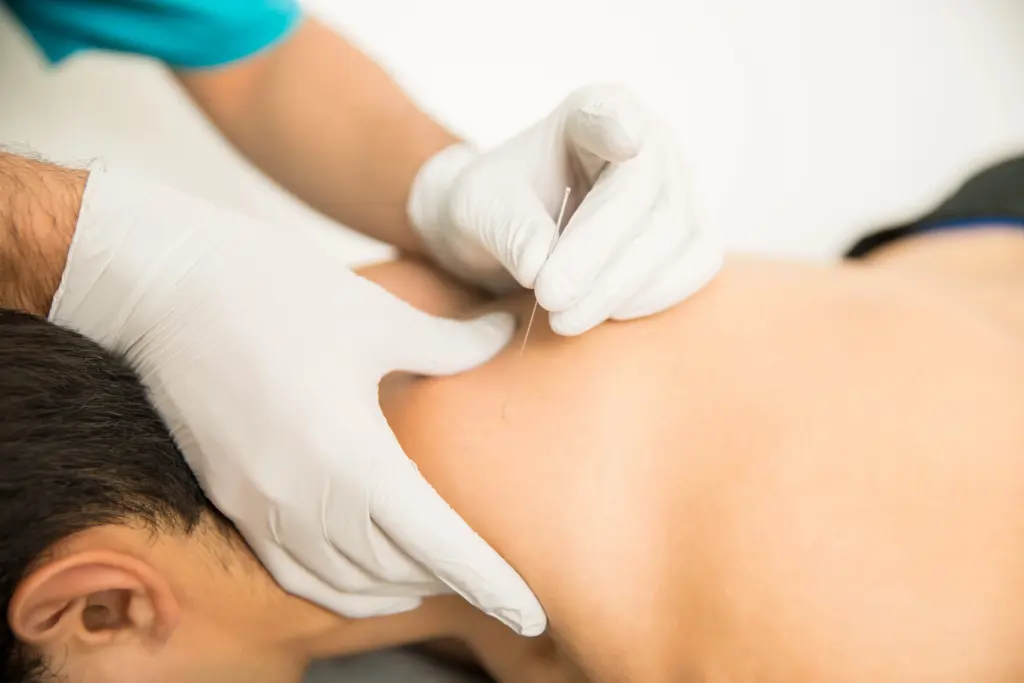
Dry needling can relax muscles and widen blood vessels, improving blood flow to the affected area and helping tissues heal and recover.
Explore Dry Needling as Part of Your Treatment Plan
Living with persistent muscle pain and tightness can make it difficult to stay active and go about your daily routine. Fortunately, dry needling can help people manage muscle tenderness, support mobility, and make movement more comfortable.
If you’re interested in dry needling, speak with a chiropractor at the Health and Wellness Clinic about your symptoms, goals, and options.